The Future of Industrial Lighting-LED High Bay
The Future of Industrial Lighting:
How LED High Bay Lights Are Revolutionizing Efficiency, Sustainability, and Performance
In warehouses, manufacturing plants, gymnasiums, and large retail spaces, the demand for reliable, energy-efficient, and high-performance lighting is non-negotiable. Traditional lighting solutions—such as metal halide or high-pressure sodium fixtures—once dominated these industrial environments, but they come with significant limitations: high energy consumption, short lifespans, and substantial maintenance costs.
Today, LED High Bay lights have emerged as the industry standard, transforming how businesses illuminate large spaces while driving down operational costs and supporting sustainability goals. This article explores the core technologies, key advantages, industry applications, and selection criteria of LED High Bay lights, providing actionable insights for facility managers, business owners, and lighting professionals looking to optimize their lighting strategies.
What Defines LED High Bay Lights?
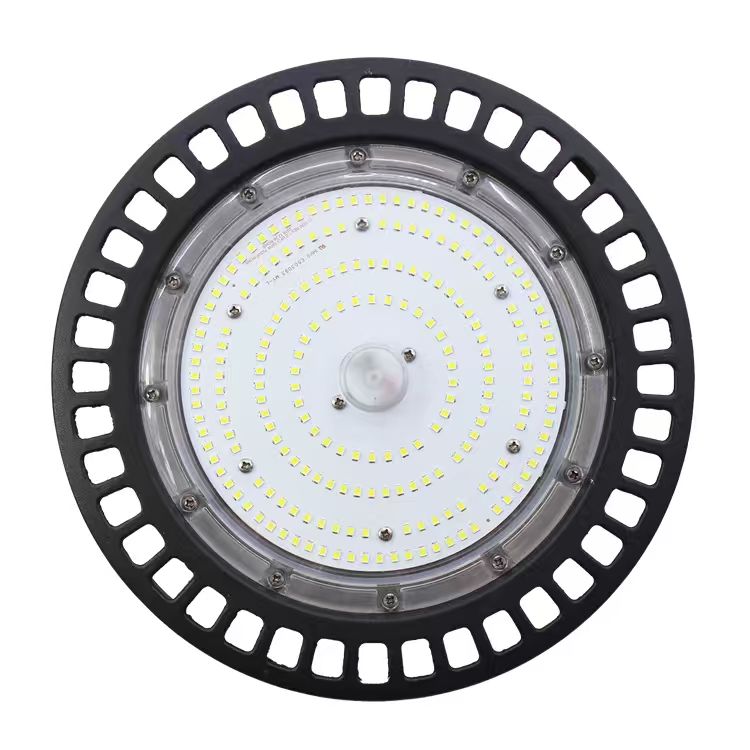
LED High Bay lights are specialized luminaires designed to deliver high-intensity, uniform illumination in spaces with high ceilings—typically ranging from 20 feet to 50 feet or more. Unlike conventional fixtures, they rely on light-emitting diode (LED) technology, which converts electricity into light with minimal energy loss.
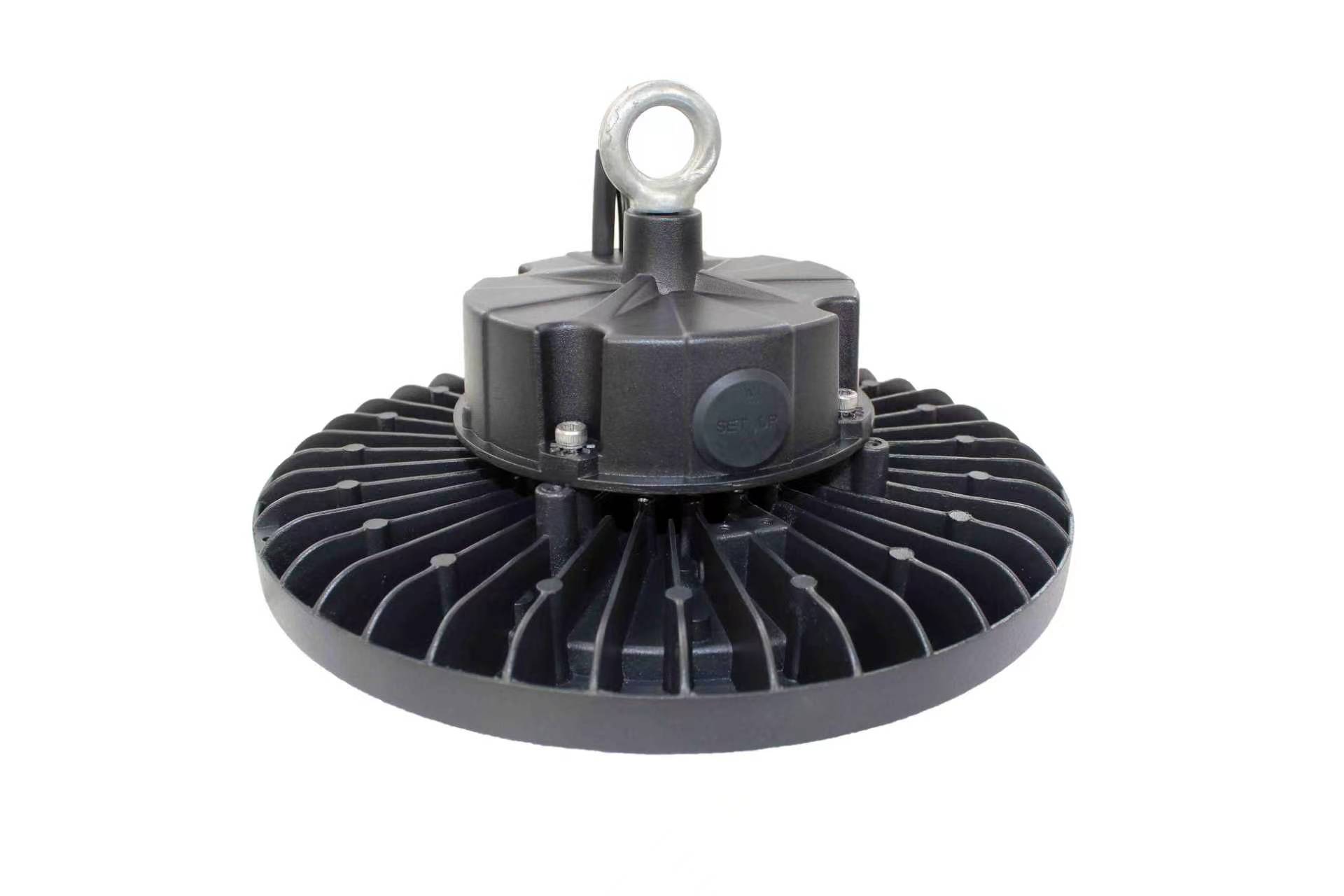
These fixtures are engineered to meet the unique demands of industrial and commercial environments, featuring robust housings, advanced thermal management systems, and precision optical designs to ensure optimal light distribution across large areas.
Core Advantages of LED High Bay Lights: Why They Outperform Traditional Solutions
The rapid adoption of LED High Bay lights is driven by tangible, measurable benefits that address the pain points of traditional lighting. Below are the most impactful advantages:
1. Unmatched Energy Efficiency
LED technology delivers significantly higher lumens per watt (lm/W) compared to traditional fixtures. While metal halide fixtures typically achieve 60-100 lm/W, high-quality LED High Bay lights can reach 150-200 lm/W or more.
This efficiency translates to direct cost savings: facilities can reduce lighting energy consumption by 50-70% after switching to LED High Bay lights. For large industrial spaces with extensive lighting needs, this reduction can amount to thousands of dollars in annual energy savings.
2. Extended Lifespan and Reduced Maintenance
Traditional high bay fixtures often have a lifespan of 10,000-20,000 hours, requiring frequent bulb replacements—especially in hard-to-reach high-ceiling areas. LED High Bay lights, by contrast, offer a lifespan of 50,000-100,000 hours, depending on the quality of the components.
This extended lifespan eliminates the need for frequent maintenance, reducing labor costs, downtime, and the risk of safety incidents associated with working at heights. For facilities with 24/7 operations, this reliability is critical to maintaining uninterrupted workflows.
3. Superior Light Quality and Uniformity
Poor lighting can lead to reduced productivity, eye strain, and safety hazards. LED High Bay lights produce crisp, bright light with high color rendering index (CRI)—typically 80+ or even 90+ for premium models—ensuring that objects, equipment, and work areas are rendered in true color.
Additionally, advanced optical designs (such as reflectors and lenses) enable precise light distribution, eliminating dark spots and ensuring uniform illumination across large spaces. This consistency improves worker safety, enhances operational efficiency, and meets the lighting requirements of various industry standards.
4. Durability in Harsh Environments
Industrial and commercial spaces are often exposed to dust, moisture, vibrations, and extreme temperatures. LED High Bay lights are built to withstand these challenges:
- Robust Housings: Constructed from die-cast aluminum or high-impact polycarbonate, these fixtures resist corrosion, impact, and deformation.
- IP Ratings: Many models offer IP65 or higher protection, making them dust-tight and resistant to water jets—ideal for humid or wet environments like food processing plants or outdoor covered areas.
- Vibration Resistance: LED fixtures lack fragile filaments or bulbs, making them highly resistant to vibrations from heavy machinery, which is common in manufacturing facilities.
5. Flexibility and Smart Integration
Modern LED High Bay lights are compatible with smart lighting systems, enabling advanced control and automation. Features like dimming, occupancy sensors, daylight harvesting, and remote management allow facilities to:
- Adjust lighting levels based on occupancy or time of day, further reducing energy consumption.
- Monitor and control lighting across multiple areas from a central dashboard, streamlining facility management.
- Integrate with building management systems (BMS) to optimize overall energy use.
This flexibility ensures that LED High Bay lights can adapt to evolving facility needs, from energy optimization to operational automation.
Key Applications: Where LED High Bay Lights Deliver Maximum Value
LED High Bay lights are versatile enough to serve a wide range of industries, each with unique lighting requirements. Below are the most common applications:
1. Warehouses and Logistics Centers
Warehouses require bright, uniform lighting to ensure safe movement of goods, accurate inventory management, and efficient order fulfillment. LED High Bay lights provide the necessary illumination while minimizing energy costs—critical for warehouses that operate 24/7. Their long lifespan also reduces the need for maintenance in high-ceiling storage areas, where accessing fixtures can be time-consuming and hazardous.
2. Manufacturing Plants and Industrial Facilities
Manufacturing plants rely on high-quality lighting to ensure worker safety, precision in production processes, and compliance with industry regulations. LED High Bay lights deliver bright, shadow-free illumination, reducing the risk of accidents and errors. Their durability withstands harsh conditions like dust, oil, and vibrations, while their energy efficiency helps manufacturing facilities lower operational costs and meet sustainability targets.
3. Gymnasiums and Sports Facilities
Sports facilities require lighting that supports visibility for athletes, spectators, and staff, while also being energy-efficient. LED High Bay lights offer high-intensity illumination with minimal glare, ensuring optimal visibility for all activities. They also support dimming and event-specific lighting settings, allowing facilities to adjust lighting for different events—from professional games to community fitness classes.
4. Large Retail Spaces and Supermarkets
Large retail environments need lighting that enhances product visibility, creates an inviting atmosphere, and reduces energy costs. LED High Bay lights provide uniform illumination across wide spaces, ensuring that shelves, displays, and walkways are well-lit. Their high CRI helps products appear vibrant and true-to-color, improving the shopping experience and potentially boosting sales.
5. Commercial Parking Garages
Parking garages require reliable, energy-efficient lighting to ensure safety for vehicles and pedestrians, both day and night. LED High Bay lights deliver consistent illumination across large areas, with options for motion sensors that activate lighting only when needed, reducing energy waste. Their durability also makes them ideal for garages, where fixtures are exposed to exhaust fumes, dust, and temperature fluctuations.
How to Choose the Right LED High Bay Lights: Key Selection Criteria
Selecting the right LED High Bay lights requires evaluating several technical and operational factors to ensure the fixtures meet the specific needs of your facility. Here are the key criteria to consider:
1. Lumen Output and Light Distribution
Lumen output determines the brightness of the fixture, while light distribution ensures uniform illumination. For high-ceiling spaces (20-50 feet), the required lumen output depends on the area size and the desired light level (measured in lux or foot-candles).
- Light Distribution Patterns: Choose a pattern based on the space layout—narrow beam for focused areas, wide beam for uniform coverage across large spaces.
2. Color Temperature and CRI
- Color Temperature (CCT): Measured in Kelvin (K), it determines the warmth or coolness of the light. For industrial spaces, cool white (5000-6500K) is common as it enhances visibility and alertness. For retail or spaces where a welcoming atmosphere is needed, neutral white (4000-4500K) may be preferred.
- Color Rendering Index (CRI): A CRI of 80+ is standard for most industrial applications, while premium fixtures offer 90+ CRI for environments where color accuracy is critical (e.g., manufacturing plants handling colored products, retail displays).
3. Efficiency and Energy Star Ratings
Look for fixtures with high lumens per watt (lm/W) to maximize energy savings. Additionally, check for Energy Star certification, which indicates that the fixture meets strict energy efficiency standards set by the U.S. Environmental Protection Agency (EPA). Energy Star-certified LED High Bay lights typically deliver consistent performance, long lifespans, and verified energy savings.
4. Durability and Protection Ratings
- IP Rating: For dusty, humid, or wet environments, choose fixtures with IP65 or higher. IP65 means the fixture is dust-tight and can withstand water jets from any direction.
- IK Rating: This measures impact resistance. For areas with potential physical impact (e.g., warehouses with moving equipment), look for an IK rating of 08 or higher, indicating resistance to 2-joule impacts.
- Thermal Management: Effective heat dissipation is critical to maintaining LED lifespan. Choose fixtures with high-quality heat sinks (e.g., die-cast aluminum) to ensure efficient thermal management.
5. Control and Automation Capabilities
If you want to optimize energy use and streamline operations, consider fixtures that support:
- Dimming: Adjust light levels based on occupancy or time of day.
- Occupancy Sensors: Automatically turn lights on/off based on movement, ideal for low-traffic areas.
- Daylight Harvesting: Adjust lighting based on natural light levels, reducing energy consumption during daylight hours.
- Smart Connectivity: Integration with IoT platforms or BMS for remote monitoring and management.
6. Warranty and After-Sales Support
LED High Bay lights are a long-term investment, so a robust warranty is essential. Look for warranties that cover at least 5-10 years, with clear terms for component replacement and performance guarantees. Additionally, choose suppliers that offer reliable after-sales support, including technical assistance and replacement parts, to ensure minimal downtime in case of issues.
The Bottom Line: Why LED High Bay Lights Are the Smart Investment for Modern Facilities
As businesses prioritize energy efficiency, cost reduction, and sustainability, LED High Bay lights have become the go-to solution for large-space lighting. Their unmatched energy savings, extended lifespan, superior light quality, and durability make them a cost-effective and reliable choice across industries—from warehouses and manufacturing plants to retail spaces and sports facilities.
Beyond immediate operational benefits, LED High Bay lights support long-term sustainability goals by reducing carbon footprints and minimizing waste. Paired with smart lighting controls, they enable facilities to optimize energy use, enhance operational efficiency, and future-proof their lighting infrastructure.
For facility managers and business owners looking to upgrade their lighting systems, investing in high-quality LED High Bay lights is not just a lighting upgrade—it’s a strategic decision to drive down costs, improve safety, and stay ahead of industry trends.
Conclusion
LED High Bay lights have revolutionized industrial and commercial lighting, offering a combination of efficiency, performance, and durability that traditional fixtures cannot match. As the demand for sustainable and cost-effective lighting solutions continues to grow, LED High Bay lights will remain at the forefront of innovation, supporting businesses in achieving their operational and sustainability goals.
Whether you’re upgrading an existing facility or designing a new space, choosing the right LED High Bay lights—based on lumen output, color quality, efficiency, and control capabilities—will ensure optimal performance and long-term value.
Ready to transform your facility’s lighting with high-quality LED High Bay lights? Explore our comprehensive range of solutions, engineered for reliability, efficiency, and performance—and take the first step toward a brighter, more sustainable future.